Free shipping on orders over $90 • Tax-free for EU
Why Choose ICEFLAME Sleeping Bags and Quilts?
Learn why ICEFLAME sleeping bags and quilts focus on lightweight down sleep systems, practical construction and transparent down quality.
Lightweight Down Sleep Systems Since 2013
Lightweight down sleep systems for real trail use
ICEFLAME builds lightweight, breathable down sleep systems for backpackers, hikers and mountaineers who care about pack weight, warmth-to-weight efficiency and practical field use. The range focuses on down quilts, mummy sleeping bags and modular sleep systems rather than general-purpose camping gear.
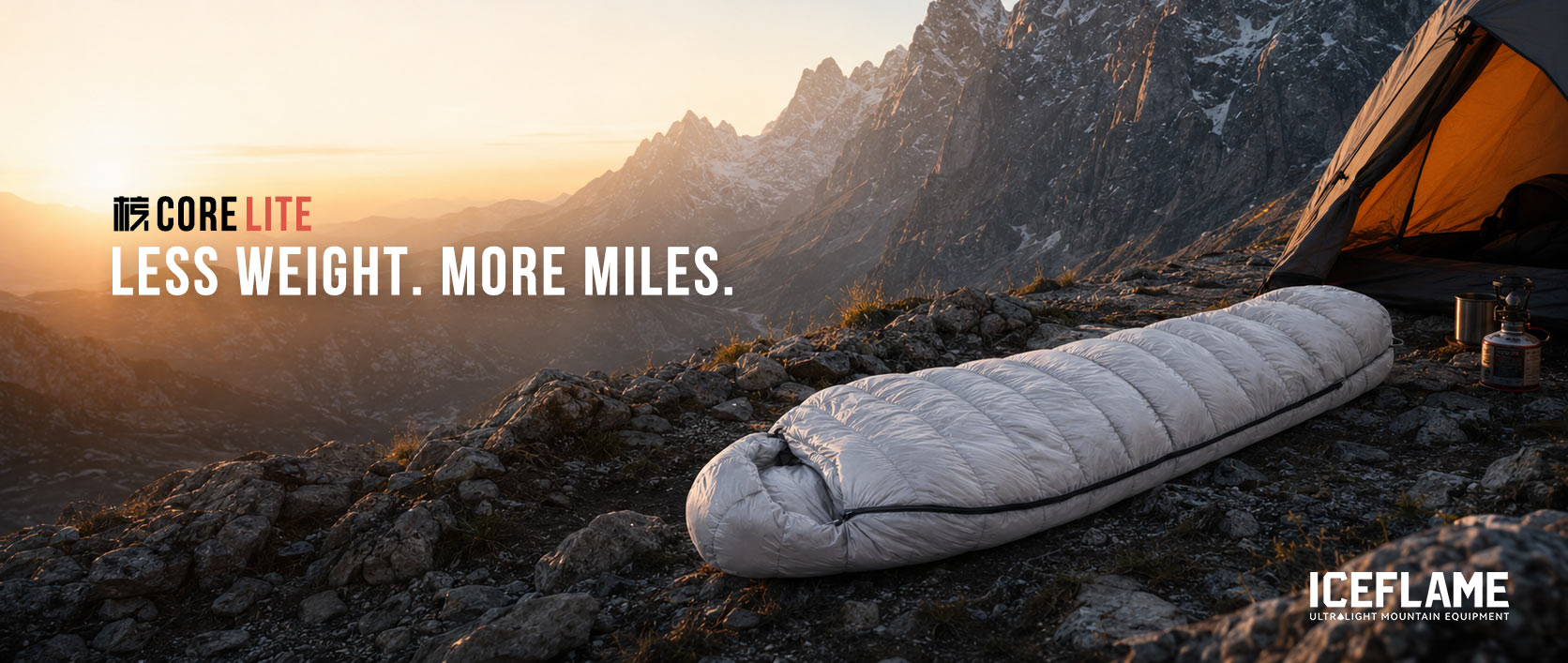
95% Muscovy Duck Down
Used in current duck-down systems where specified.
850 & 900 FP Duck Down
Higher fill power helps reduce weight for a given warmth target.
IDFL-Tested Down
Quality documentation may include fill power, composition and cleanliness.
RDS-Certified Duck Down
Responsible sourcing applies to certified duck-down materials, not temperature ratings.
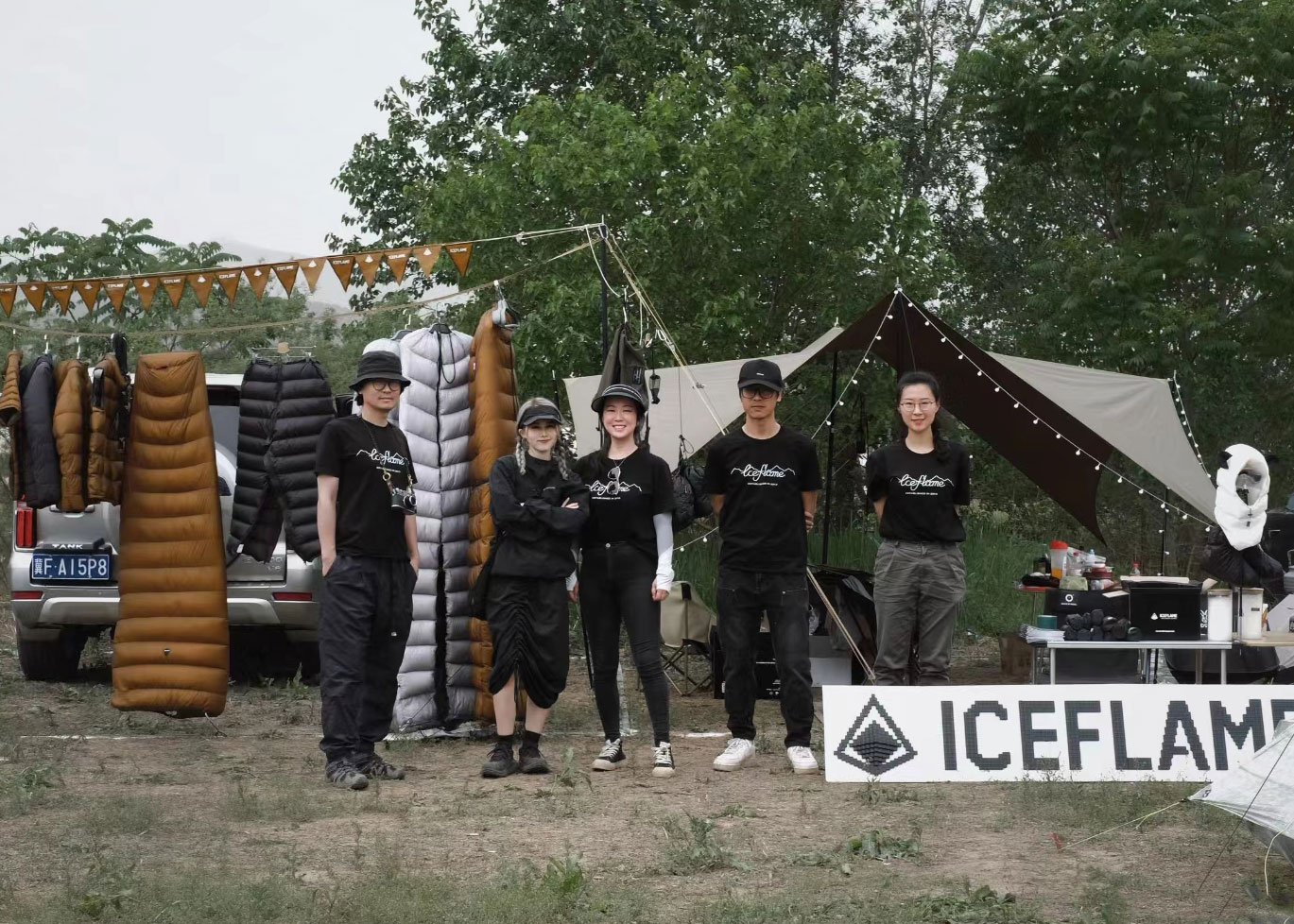
A specialist down sleep-system team
ICEFLAME began around 2013, when a small group of outdoor users started building sleeping gear for their own trips. Those early designs later received Asia Outdoor Awards recognition, but the brand has stayed focused on the same narrow problem: making down sleep systems lighter, more breathable and easier to adapt to real trail conditions.
This is not a general outdoor lifestyle brand. ICEFLAME concentrates on backpacking quilts, mummy sleeping bags, modular sleep systems, lightweight down wear and down accessories built around practical warmth, compact packed size and functional construction.
What ICEFLAME designs for
Lightweight carry
Low-denier fabrics, efficient baffle layouts and high-loft down help reduce carried weight without turning the system into a fragile showroom piece.
Breathability
Sleep comfort depends on moisture movement as well as insulation. ICEFLAME uses lightweight nylon shells and liners selected around the intended model and season.
Warmth-to-weight efficiency
Fill power matters, but it is only one part of the system. Fill amount, baffle design, fit, draft control, sleeping pad and clothing all affect real warmth.
Compact packing
Down systems are built to compress into backpackable volumes while maintaining enough loft recovery for repeated field use.
Functional construction
Full box-wall, hybrid, sewn-through, vertical and horizontal baffle layouts are used where they make sense for a specific model, not as a single claim applied to every product.
Adaptability
Quilts, mummy bags and modular systems solve different trail problems. The right choice depends on season, shelter, sleeping pad, draft tolerance and how warm or cold you sleep.
Three ways to build a sleep system
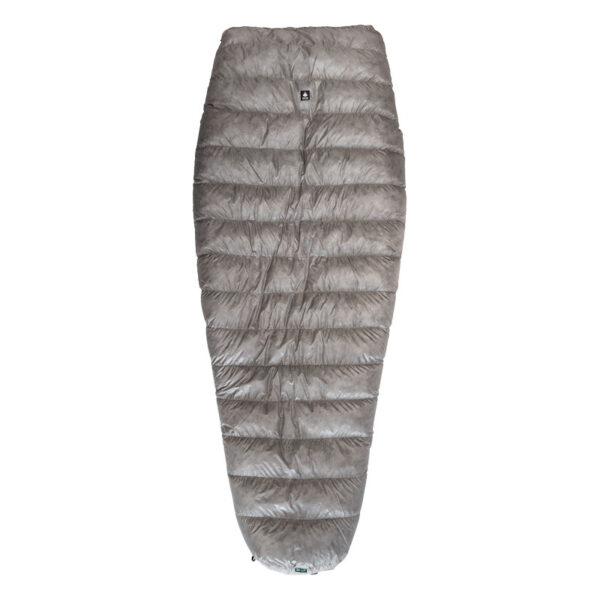
Backpacking quilts
Best for: ultralight backpacking, long-distance hiking and experienced users with an appropriate sleeping pad.
Main advantage: less material below the sleeper, more freedom of movement and efficient top-side insulation.
Consider: quilts depend on pad insulation, strap setup and draft control. They reward users who understand their complete sleep system.
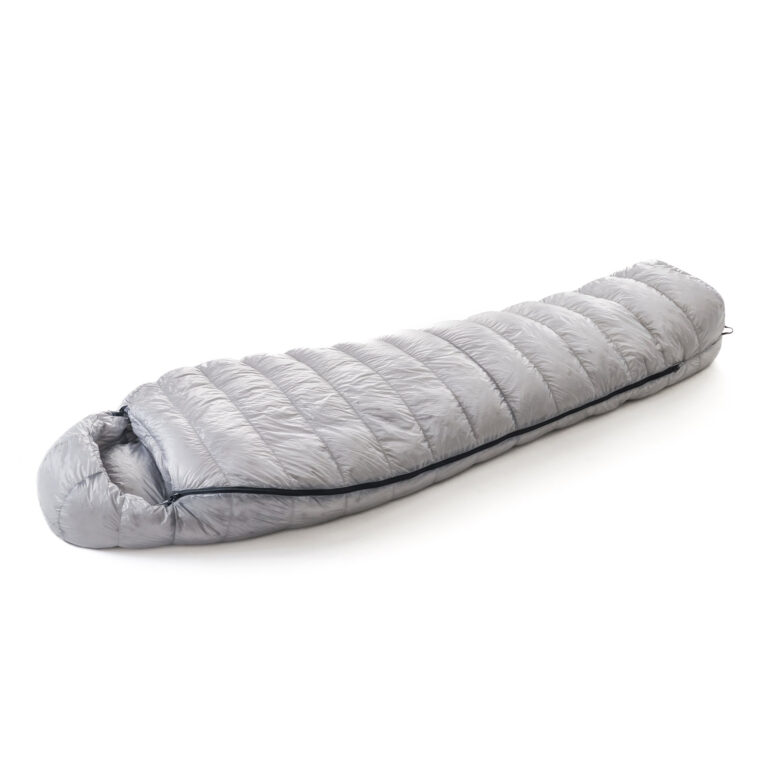
Mummy sleeping bags
Best for: colder nights, windy camps, cold sleepers and users who want familiar enclosed coverage.
Main advantage: integrated coverage, hood options and stronger draft protection than an open-back quilt.
Consider: mummy bags usually carry more structure than quilts, but they can be simpler for first-time down sleep-system users.
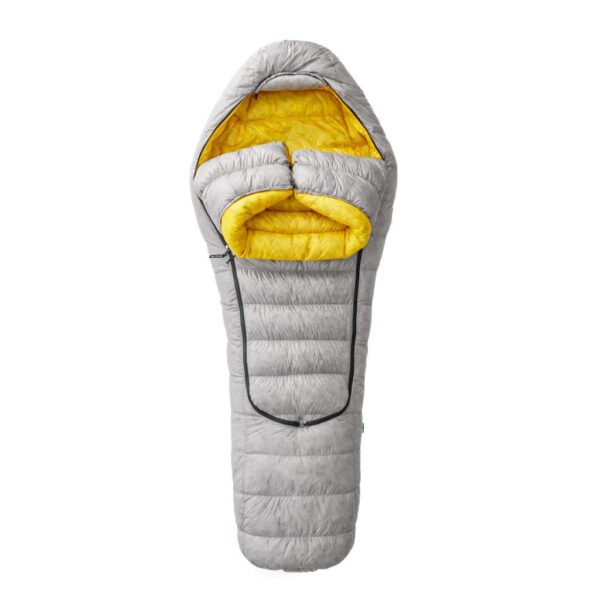
Modular sleep systems
Best for: trips where temperature, shelter and layering needs change across seasons.
Main advantage: components can be used separately or combined to adjust warmth, coverage and ventilation.
Consider: modular systems are not simply two bags stacked together. Their value is controlled configuration.
Down quality and transparency
ICEFLAME uses down specifications that should be read product by product. Fill power is not a temperature rating. IDFL is not a sleeping bag temperature certification. RDS is not a warmth or performance test.
| Down type | Current specification | Documentation | What it does not prove |
|---|---|---|---|
| Muscovy duck down | 95%, 850 / 900 fill power where specified | IDFL-tested; RDS-certified duck down where specified | Not an EN or ISO temperature rating |
| White goose down | 95%, 800 fill power where specified | IDFL-tested | Not RDS-certified unless a specific product document says so |
To compare products correctly, check the fill amount, baffle construction, fabric, size, draft control and intended use. A higher fill power can reduce weight for a similar warmth target, but it does not automatically make a product warmer without the right amount of down and the right construction.
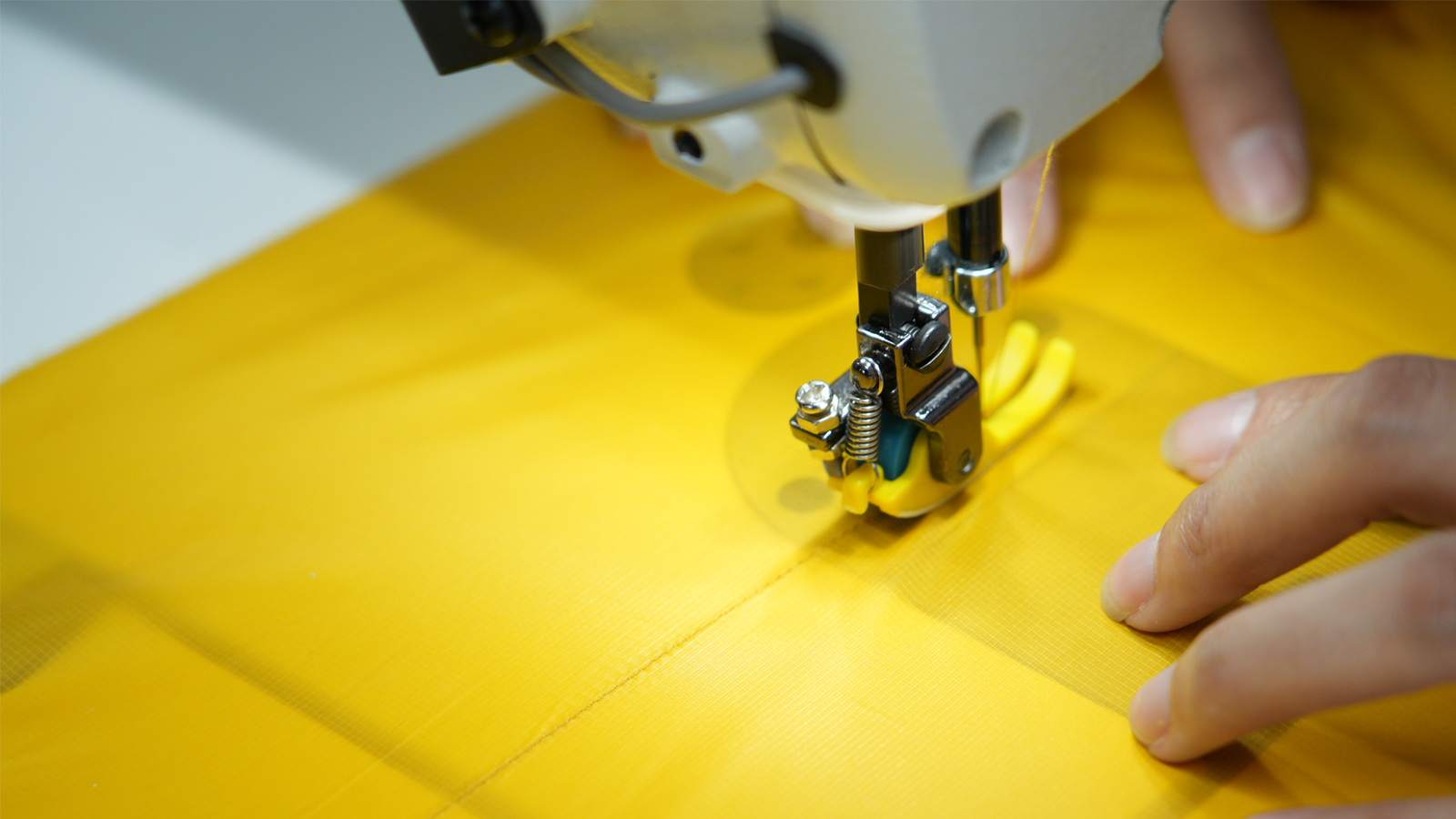
Fabrics and construction are chosen by model
Most current ICEFLAME sleep systems use lightweight 10D nylon fabrics. Some models aimed at very low carry weight use 7D fabrics, which can save grams but usually require more careful handling than 10D.
Construction also changes by model. Full box-wall baffles, hybrid baffles, sewn-through sections, vertical baffles and horizontal baffles each solve different problems. The goal is not to claim one construction is always best; it is to balance warmth, weight, breathability, down distribution, durability, cost and the intended temperature range.
ICEFLAME temperature guidance is informed by team field use, prototype adjustment and customer feedback.
That distinction matters. A cold night is affected by sleeping pad R-value, shelter, wind, humidity, clothing, fatigue, nutrition and personal metabolism. The right sleep system is selected around the full kit, not only the number printed next to a product name.
Who ICEFLAME is for
- Ultralight hikers reducing pack weight
- Backpackers comparing quilts and mummy bags
- Mountaineers who need compact down insulation
- Cold sleepers who value draft control
- Experienced quilt users with suitable sleeping pads
- Weight-conscious campers who still want down performance
- Users balancing breathability, warmth and packed size
- Buyers who want clear material and construction information
Start with the system you need
Choose by season, sleeping style, pad insulation and how much draft control you want.